1. Know the signs
Declarative knowledge: “What do I know?”
Your child learns facts, words, concepts, patterns, and important connections.
 DAUSOKOWayfinder← Back to Wayfinder
Sometimes learning becomes hard to read: your child may be trying, but the explanation is unclear; they may know the answer but not know how to begin; or they may be ready for a real challenge instead of more worksheets.
Dausoko is a Fijian word for sailor. Pacific navigators travelled across immense oceans by learning to pay close attention: to stars, winds, swells, currents, clouds, birds, seasons, and the changing sea. They did not depend on one sign alone. They brought observations together, tested what they noticed, adjusted their course, and passed hard-won knowledge from one generation to the next.
This was—and remains—deep, practical knowledge. It was developed through observation, memory, practice, story, apprenticeship, and responsibility to community. It enabled Pacific peoples to voyage, settle, sustain communities, and build enduring cultures.
DAUSOKO is inspired by that spirit of wayfinding. We want children to learn more than how to give an answer. We want them to notice the world around them, ask good questions, recognise patterns, use knowledge with care, and make thoughtful decisions when a new challenge appears.
We model the wayfinding first. Then we help your child become the wayfinder.
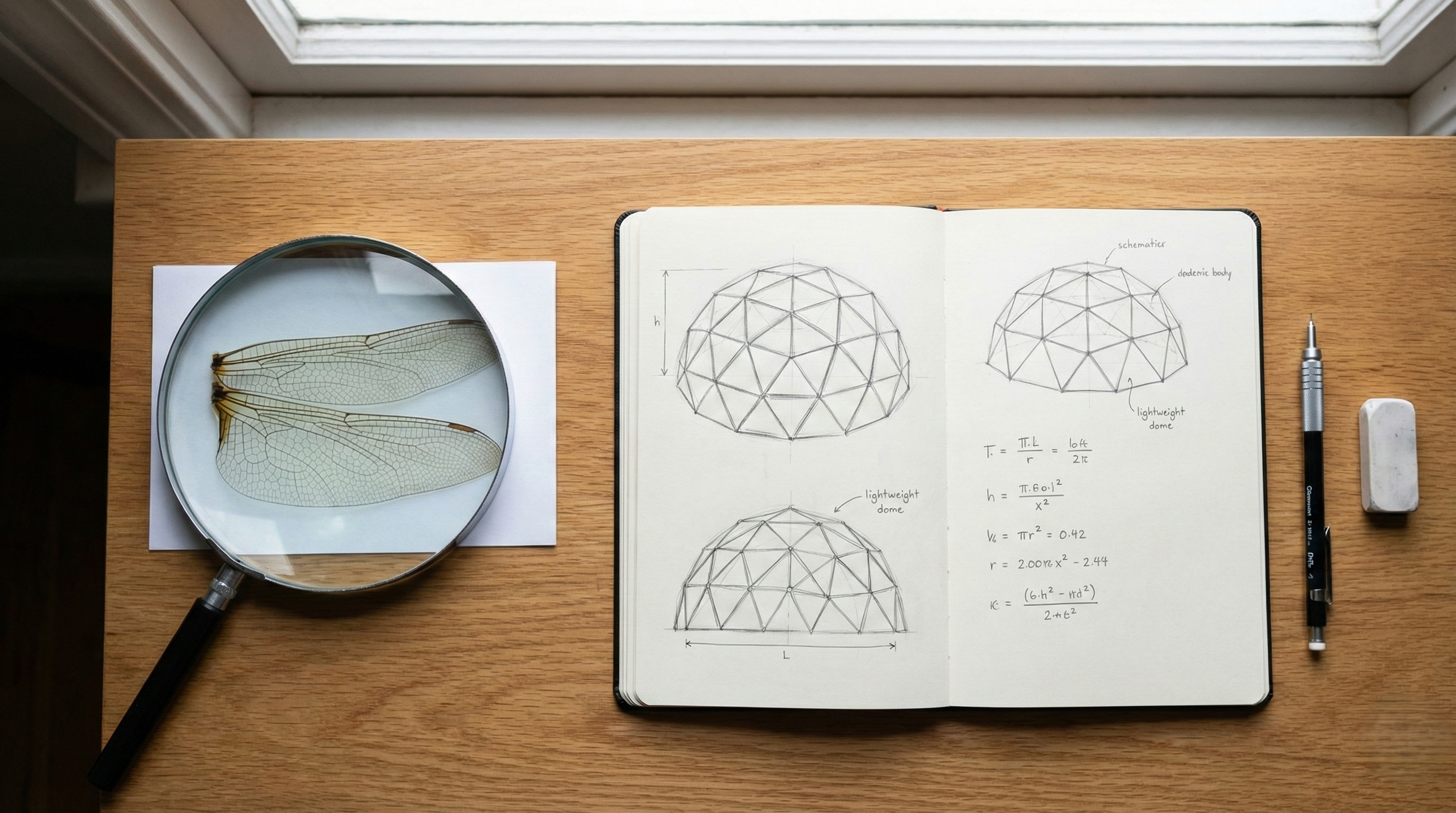
For the moment when your child says, “I don’t get it.” It breaks an idea into visuals, examples, and small connections so understanding can grow before they are asked to answer.
Help them understand →
For learning by doing: cooking, making, measuring, drawing, caring, building, or using a tool. Your child sees one achievable step, tries it, gets feedback, and moves on.
Learn by doing →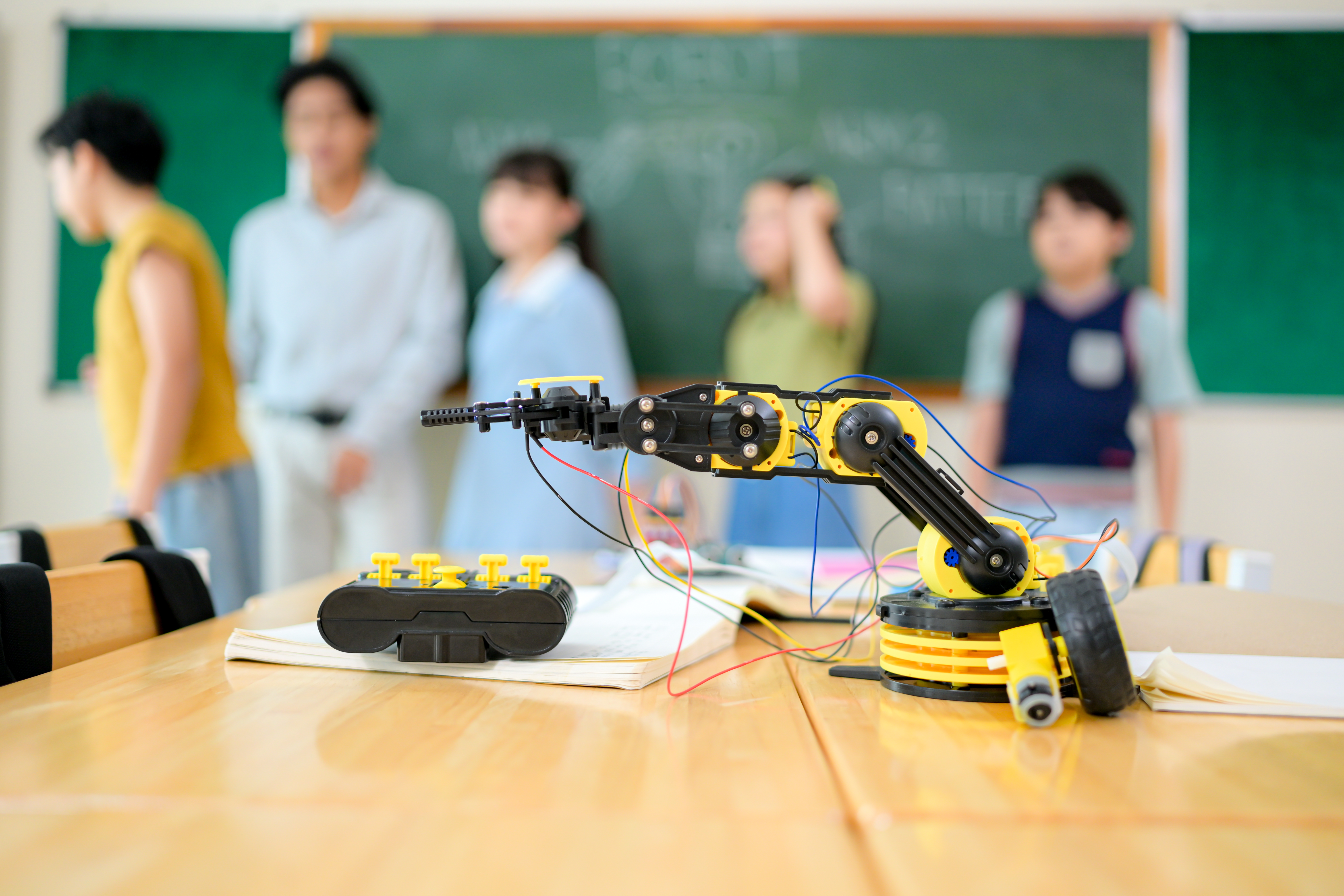
For a child who understands something once but needs safe, short chances to use it again. The practice changes gently, so repetition does not have to feel like failure.
Build confidence →
For the “why?” and “what if?” questions that matter to your child. It helps them notice, look for trustworthy information, and make sense of what they find.
Follow their curiosity →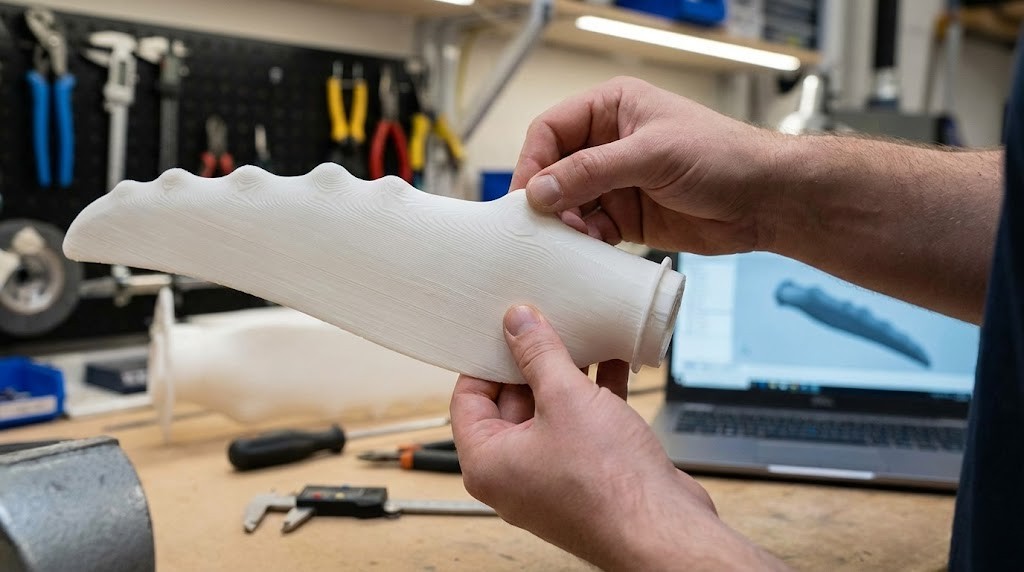
For bringing learning together to make, solve, design, or help. Your child has a meaningful outcome to work toward, not just another set of questions.
Make something meaningful →DAUSOKO is built around four kinds of learning. The names may sound technical, but the idea is simple: real understanding means more than remembering an answer.
Declarative knowledge: “What do I know?”
Your child learns facts, words, concepts, patterns, and important connections.
Procedural knowledge: “How do I do it?”
Your child practises a method or skill: how to measure, investigate, write, solve, make, or check.
Conditional knowledge: “When and why should I use this?”
Your child learns to choose a strategy that fits the situation and explain why it makes sense.
Reflective knowledge: “What is my thinking telling me?”
Your child notices progress, revises an idea, learns from a difficulty, and decides what to try next.
At first, DAUSOKO may show a worked example, name what to look for, offer choices, or ask a smaller question. This is not giving the answer away; it makes useful thinking visible. As your child gains confidence, the support becomes lighter. They are invited to explain, choose, check, revise, and apply their learning in a new situation.
That is why DAUSOKO moves beyond remembering: children are supported to understand, apply, compare, evaluate, and create. The aim is not to replace their thinking with technology. It is to help them practise thinking for themselves.
If your child needs a skill or an idea before they can continue, Dausoko can guide them there and bring them back to the same work. Their effort, questions, evidence, and reflections stay part of one growing story.